Self-esteem affects almost every part of life, from how confident you feel speaking up, to how willing you are to take risks, set boundaries, or try something new.
If you’ve ever wondered how to improve self-esteem, but found advice like “just think positively” doesn’t work when it matters, you’re not alone.
In this article, I want to share a simple framework I use with clients and audiences to explain how self-esteem really works, and how to build it in a practical, sustainable way.
It’s called The Poker Chip Theory…
Watch: The Poker Chip Theory and how it can improve your self esteem below 👇
The short video explains the Poker Chip Theory visually and shows how it applies to confidence, risk-taking, and everyday life.
What Is Self-Esteem?
Self-esteem isn’t arrogance, ego, or pretending to feel confident.
At its core, self-esteem is trust in yourself.
It’s the belief that:
you can handle discomfort
you can survive mistakes
you can recover from setbacks
When self-esteem is strong, life feels more playable.
When it’s low, even small decisions can feel risky.
The Poker Chip Theory: A Simple Way to Understand Self-Esteem
Imagine two people sitting down to play poker.
One player has 100 poker chips
The other has 5 poker chips
Each round costs 5 chips just to play
Who is more likely to take a risk?
The player with 100 chips can afford to lose a hand. They can experiment, bluff, and play boldly, because losing doesn’t end the game.
The player with only 5 chips plays cautiously. Every decision feels expensive. One mistake could knock them out.
This difference isn’t personality.
It’s capacity.
Self-esteem works the same way.
Why Low Self-Esteem Makes Confidence Feel Risky
People with low self-esteem aren’t weak or incapable.
They’re often protecting what little emotional safety they feel they have.
When you’re low on internal “chips,” things like:
speaking up
setting boundaries
asking questions
trying something new
can feel disproportionately risky. This is why telling someone to “just be confident” rarely works.
Confidence doesn’t come first… Self-esteem does.
How to Build Self-Esteem (One Chip at a Time)
If you’re asking how to build self-esteem, the answer is simpler than most people expect.
Self-esteem is built through small, consistent actions.
You earn a “chip” every time you:
keep a promise to yourself
take action before you feel ready
speak honestly instead of staying silent
choose the slightly braver option
Each action reinforces trust in yourself.
Over time, those chips stack and confidence becomes a natural result.
How Self-Esteem Gets Damaged
Self-esteem tends to erode when we:
repeatedly break promises to ourselves
avoid situations we know would help us grow
speak harshly to ourselves
wait for motivation instead of acting
This isn’t failure.
It’s your nervous system learning that risk doesn’t feel safe.
Understanding this allows you to rebuild self-esteem with compassion, not pressure.
A Simple Self-Esteem Exercise You Can Try Today
If you want to improve your self-esteem, try this:
Ask yourself:
“What’s one small action I could take today that I’d feel proud of?”
Not impressive.
Not perfect.
Just honest.
Do it.
That feeling of follow through is a chip.
Repeat daily, and confidence starts to feel earned instead of forced.
How This Applies to Work, Parenting, and Everyday Life
The Poker Chip Theory applies everywhere:
at work, when you hesitate to speak up
in relationships, when you avoid difficult conversations
as a parent, when you want to model courage but feel stretched
Low self-esteem doesn’t say “I can’t,”… It says “This feels too expensive.”
The goal isn’t to eliminate fear, it’s to build enough internal safety to act anyway.
Final Thought: You’re Still in the Game
If confidence feels hard right now, it doesn’t mean you’re broken.
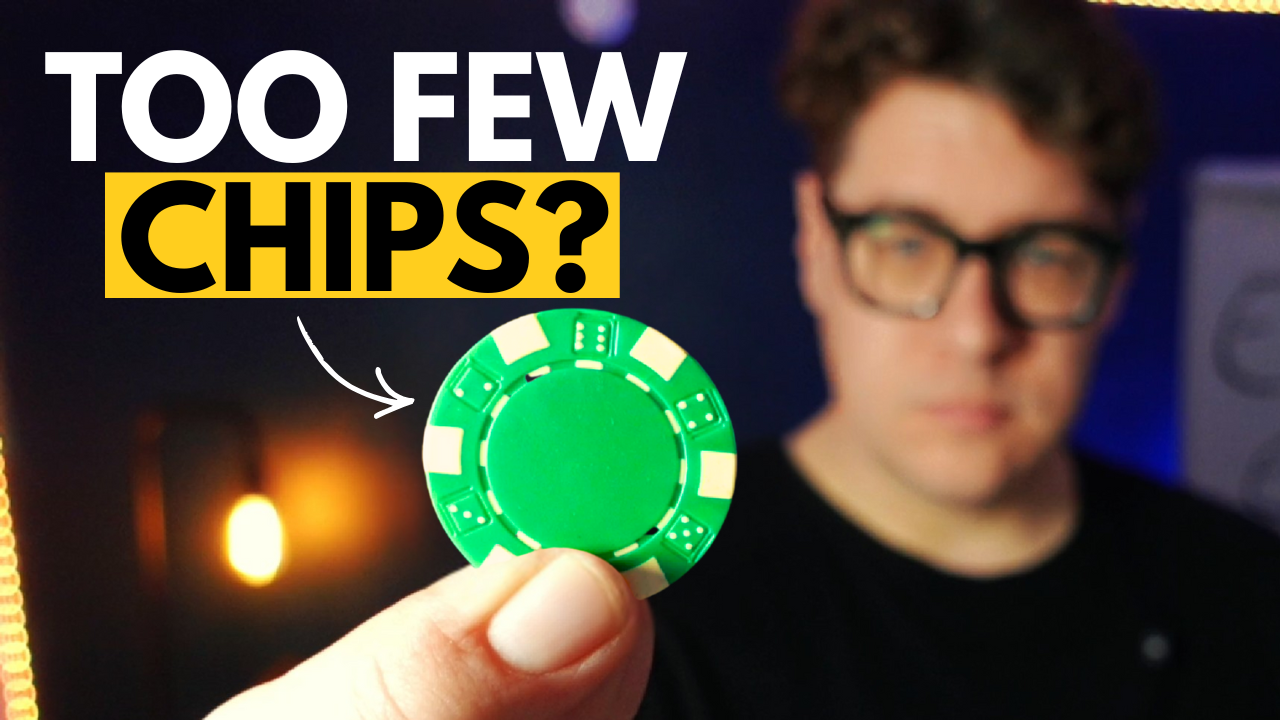
It may simply mean you’re playing life with too few chips.
Self-esteem isn’t built overnight.
It’s built through accumulation.
One small action.
One promise kept.
One chip at a time.
Want to Go Deeper?
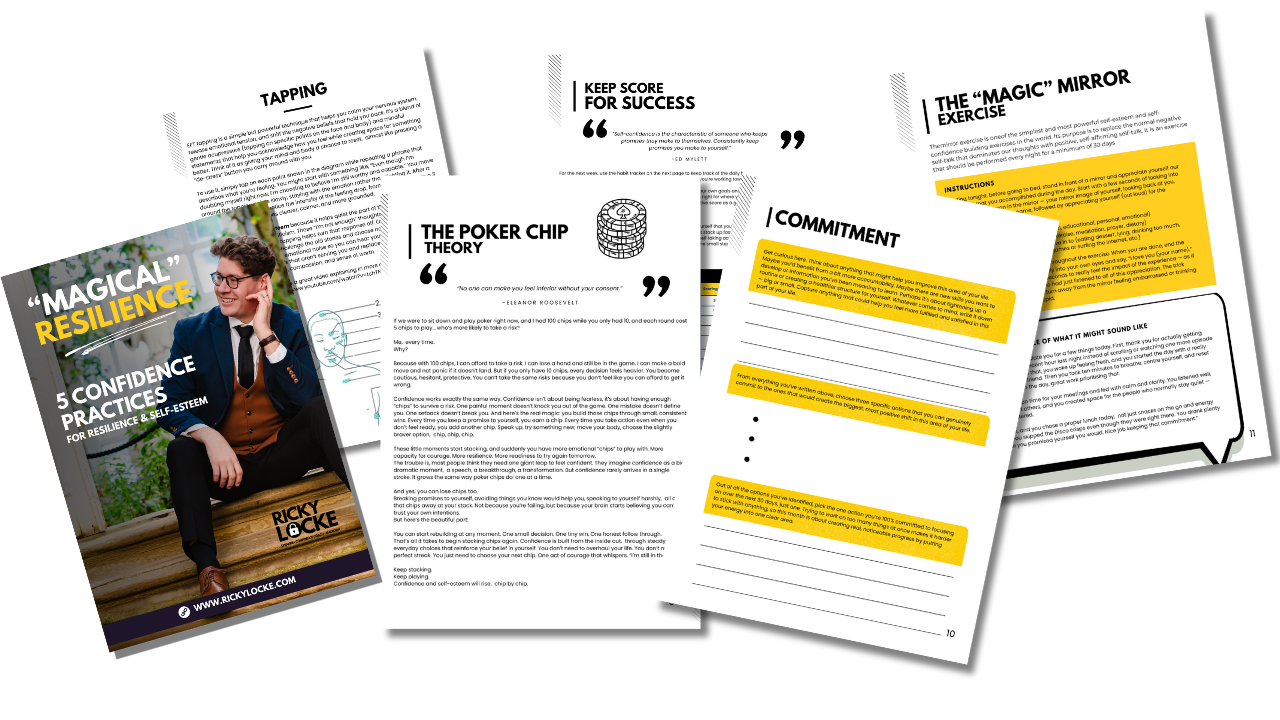
I’ve created a free Self-Esteem Guide that expands on the Poker Chip Theory and includes simple daily practices to help you rebuild confidence from the inside out.
👉 Download your free copy HERE
👇 Looking for more inspiration👇